


Game Design & Storytelling
Worlds to Play In
Commissioned game and level design for tabletop role-playing games, some of it in print, where every map I make is a level to play and a stage to set a story.
- Role
- Game designer. I designed the encounters and locations and drew the maps. Most of this is commissioned client work from my time at DungeonFog. The Night at Harmony Hill is my own adventure, written and mapped end to end.
- Team
- DungeonFog design studio, plus personal work
- Outcome
- Work published in Shadowrun: Berlin 2080 and The Creators Guide to Epic Locations: Nature, plus a written, fully-mapped Call of Cthulhu adventure.
Context
This is the commissioned design work I did for tabletop role-playing games during my time at DungeonFog, the studio’s service side, where we designed game content and maps for publishers and clients. Encounters, building plans and whole locations that a game master drops a party into, some of it shipped in print. Alongside it sits The Night at Harmony Hill, an adventure I wrote and mapped entirely on my own.
A map is a level and a stage
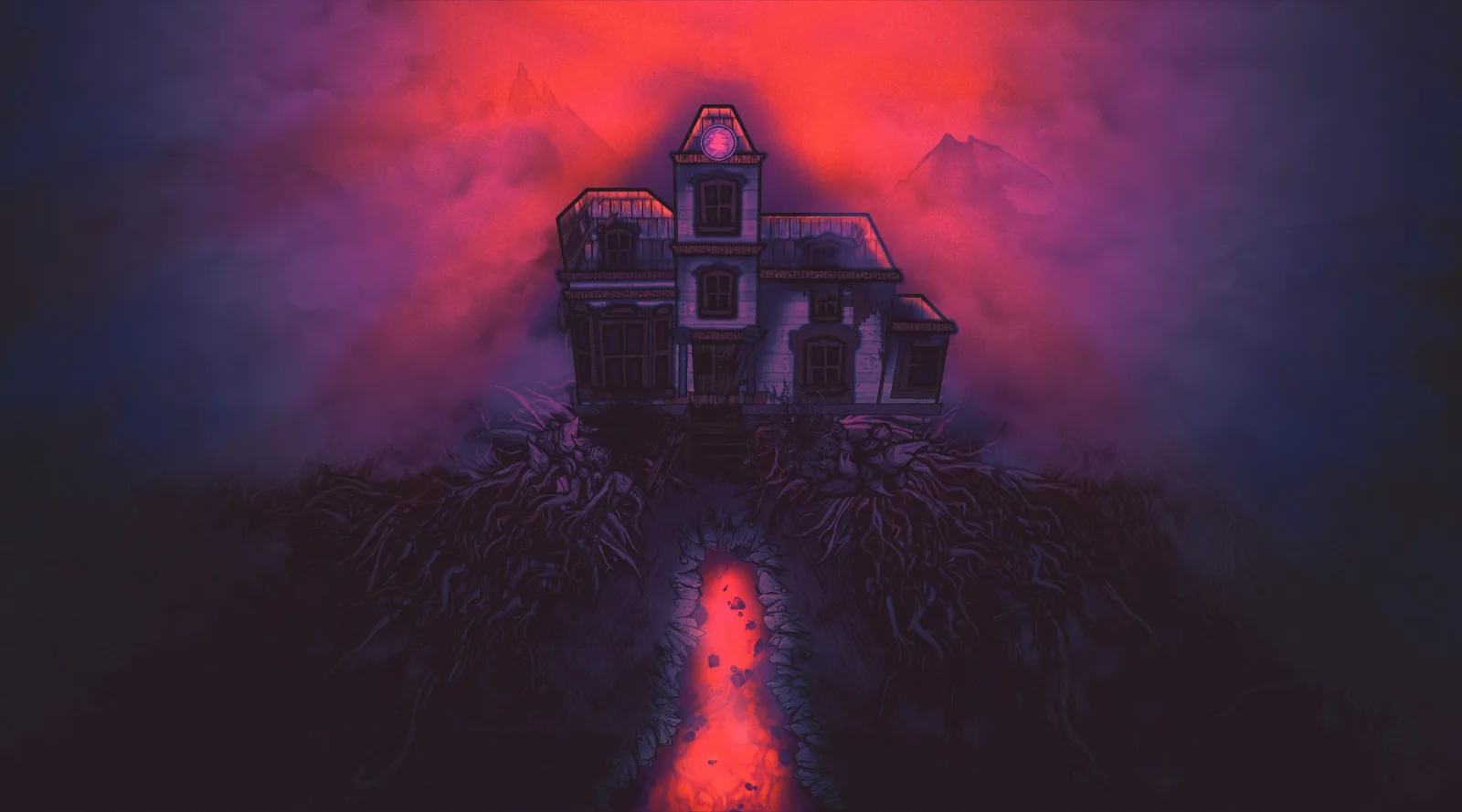
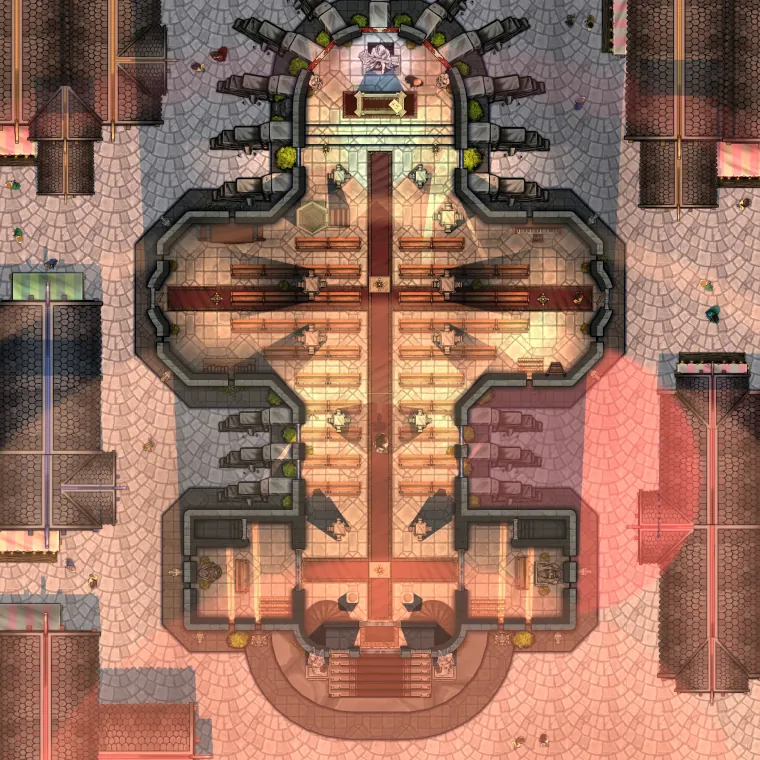
On a tabletop, the map is where the game actually happens, so designing one is game design before it is art. The layout decides how a scene plays: where the cover sits, how a chase flows, which doorway becomes the chokepoint everyone fights over. The same image is storytelling too, setting the mood and telling you where you are before a word is spoken. A neon ballroom, a fog-drowned mansion, a candlelit cathedral. Get both right and the table leans in.
In print
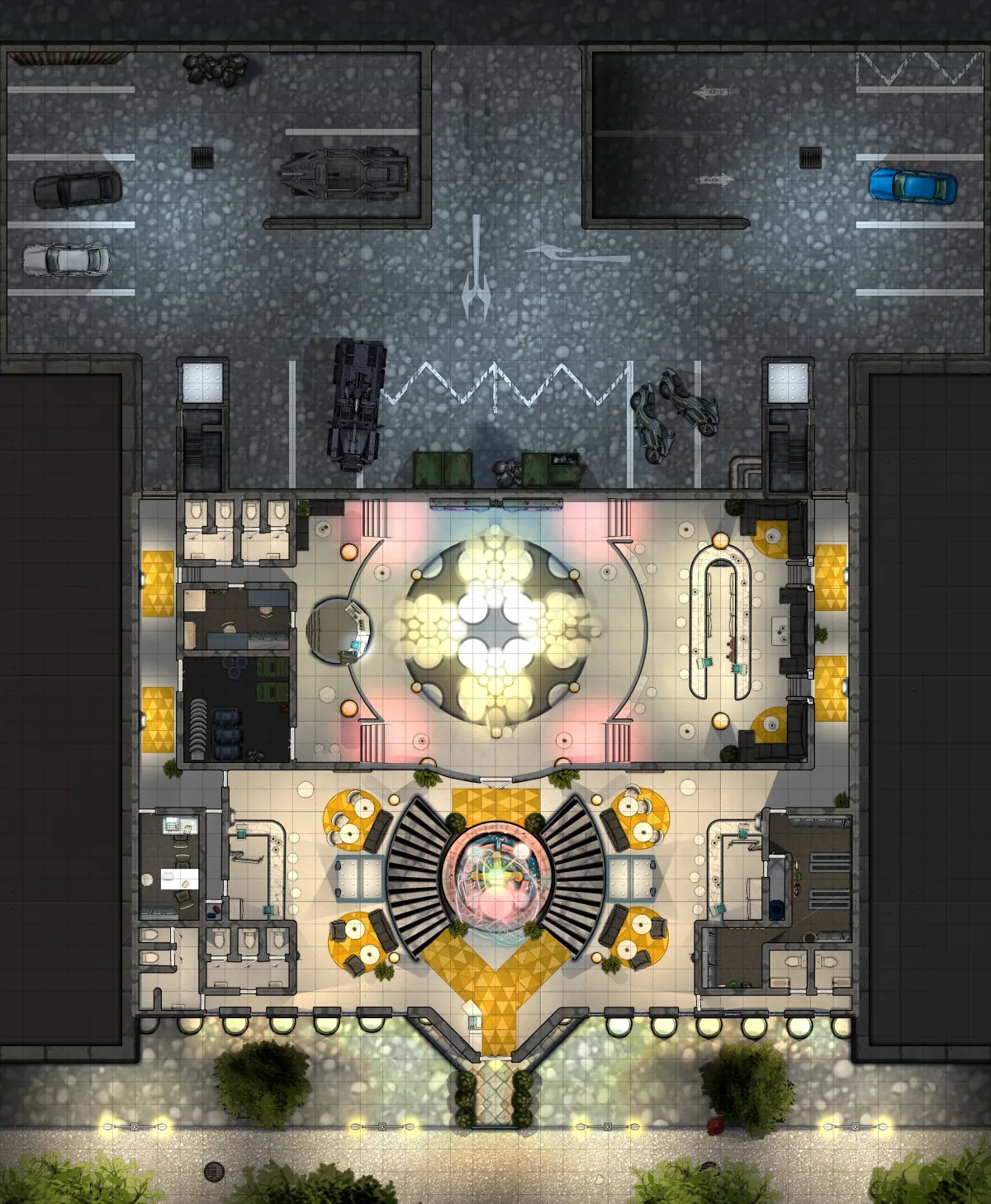
The clearest validation is the work that left my screen and got printed. A map of Das Babylon, a Berlin nightclub, appears in Shadowrun: Berlin 2080. Location and cartography work of mine also features in The Creators Guide to Epic Locations: Nature, a hardcover built entirely around designing places to play: structure, pacing, mood, and the craft of the map itself.
Range
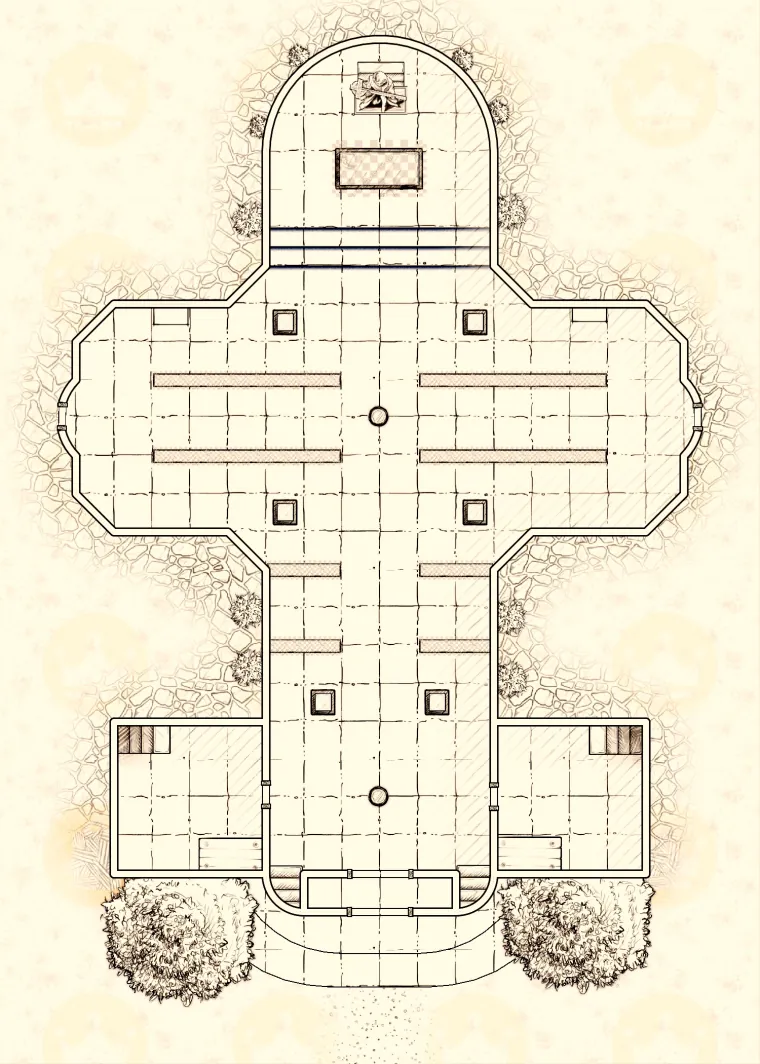
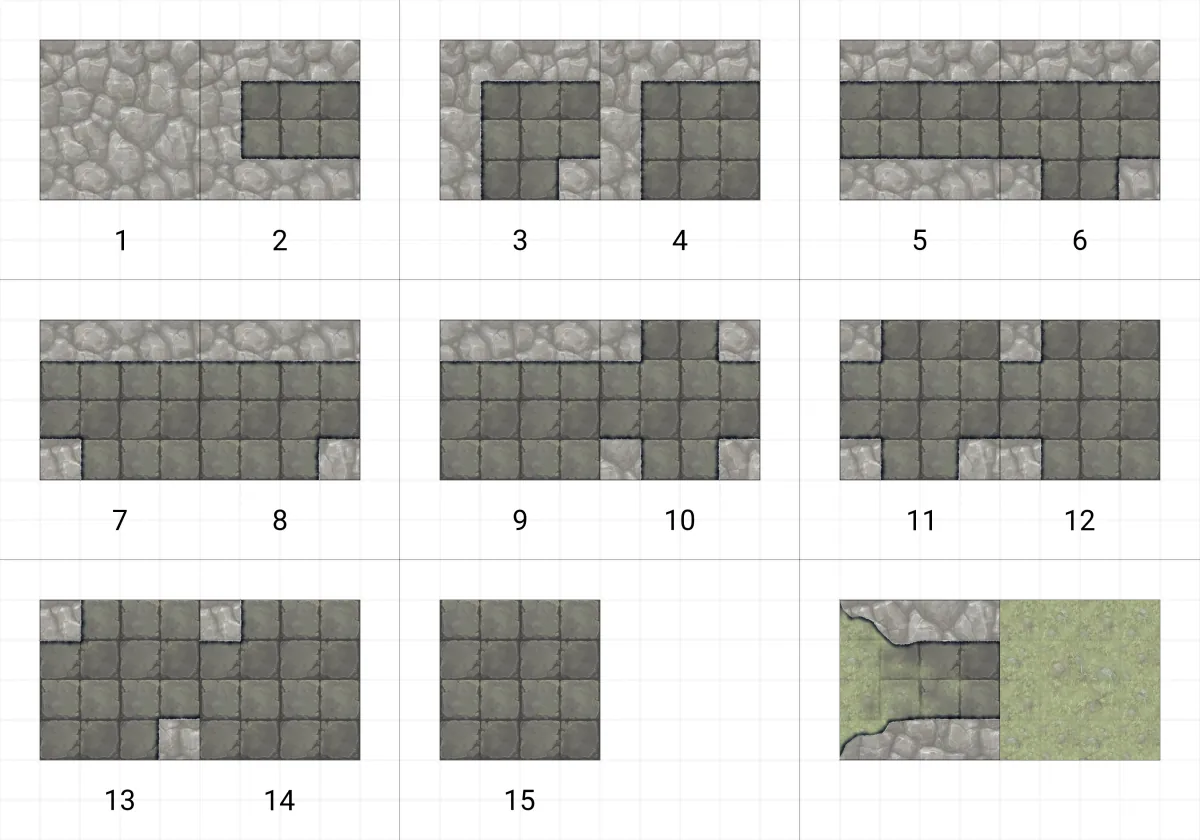
The work spans systems and styles. Cyberpunk top-downs, fantasy halls and watchtowers, noir crime scenes. I render the same location in completely different styles when the game calls for it, a full-colour virtual-tabletop map for one table, a classic pen-and-ink plan for another. Under the art there is system, too: I build modular tilesets so a location can be assembled and reassembled instead of drawn once and thrown away.
Writing the world
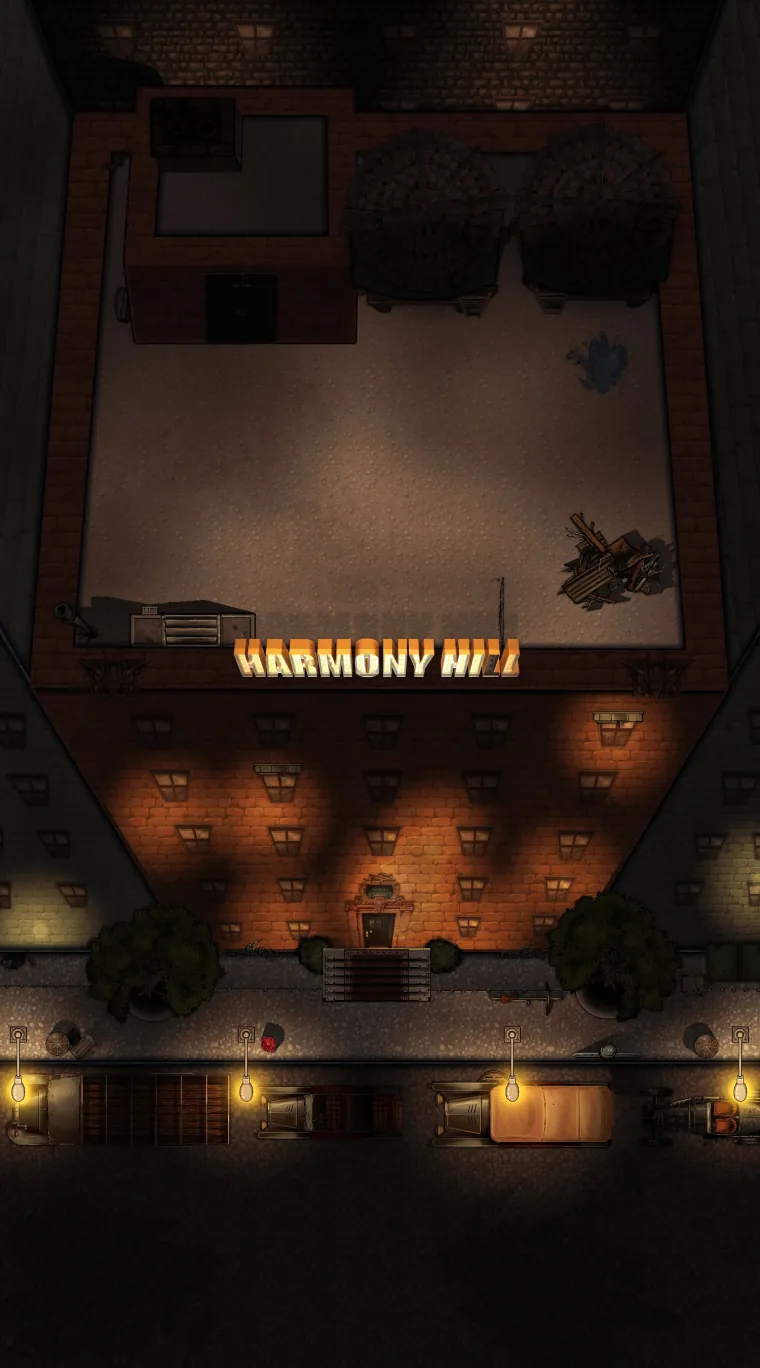
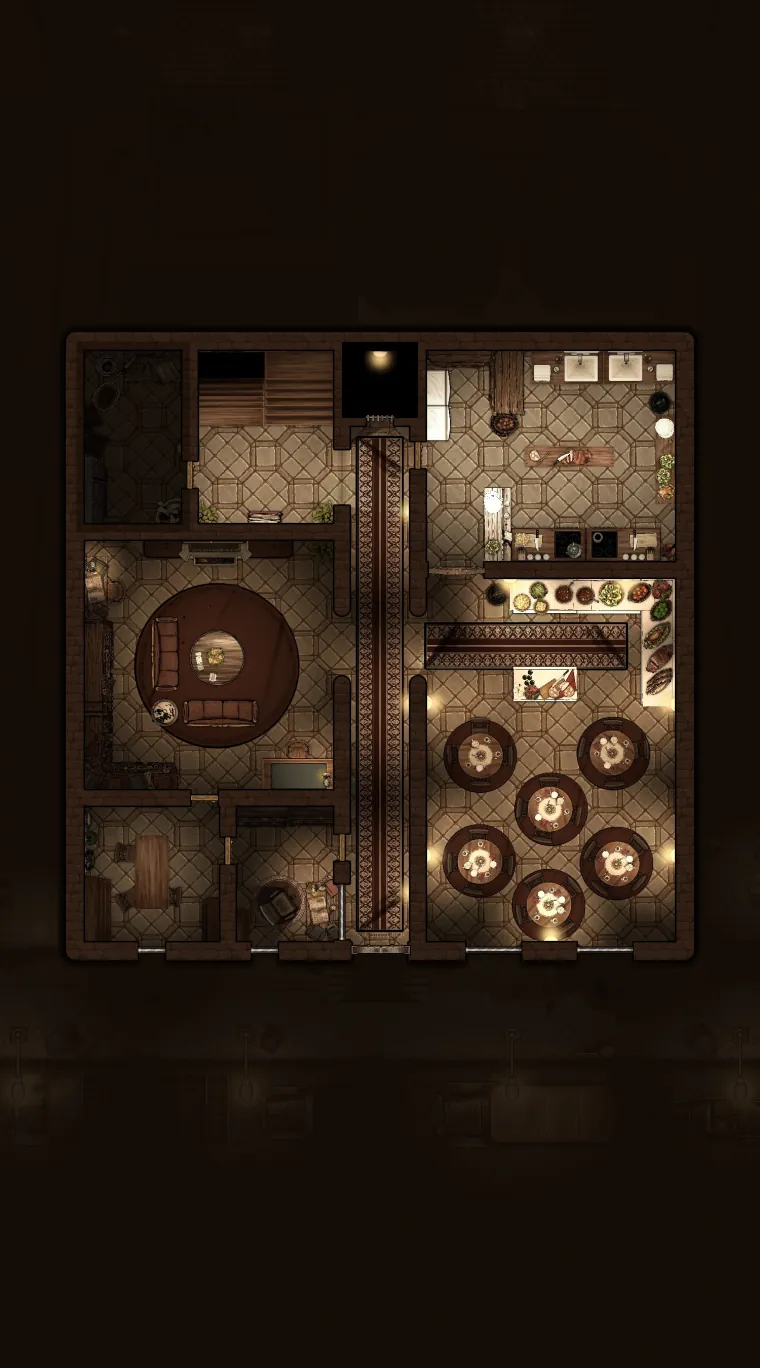
Maps are sharpest when they serve a story I know inside out, so I also write. My Call of Cthulhu adventure, The Night at Harmony Hill, is mine end to end: I wrote the mystery and drew every location it plays out in, designing each map around the beats of the investigation. It is unpublished, but it is the clearest proof of the part I care about most, that the game design and the storytelling come from the same hand.
Why it matters
Whatever I design next, this is the instinct under it: a space is never just decoration. It is where people play, and it is the first thing that tells them a story. These maps are years of practising exactly that, in commissioned work, in print, and in worlds of my own.